We spend a strange amount of time tapping and swiping. People bump into poles. Dinner tables feel like silent conferences lit by blue screens. Smartphones have become tiny universes we can’t climb out of.
But here’s the thing. Even phones have limits. We just stopped noticing.
Honestly, sometimes I look at mine and think, “Is this really the peak of human technology?” A rectangle that steals my attention every five minutes?
Turns out, the companies that built this world feel the same way.
They want more.
Way more.
They want to create a future where screens fade into the background and technology blends into life. That’s why tech giants envision future beyond smartphones and are already investing in what comes next.
It feels like a shift is coming.
The Post-Phone Era Has Already Started
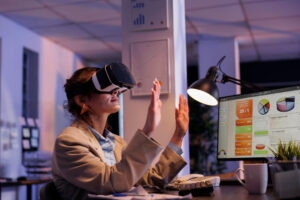
If you follow the big players, you can feel the direction changing. Apple is testing spatial computing. Google whispering about smart glasses again. Meta is pushing virtual environments harder than anyone expected.
We’re at the edge of something new.
No alarms. No taps. No endless scrolling thumb cramps.
Just tech that’s woven into your senses.
A bit wild, right?
What’s Pushing This Change?
A few reasons:
- People are overwhelmed by screen time
- Phones can’t keep getting smaller forever
- AI needs more natural interaction
- Companies want the “next smartphone moment”
The smartphone was a gold mine. Whoever invents the successor becomes the next trillion-dollar king.
Ambition drives innovation.
And ambition is pretty high right now.
What Replaces the Device We Never Let Go?
A simple list? Sure. But none of this feels simple.
Here are the top contenders:
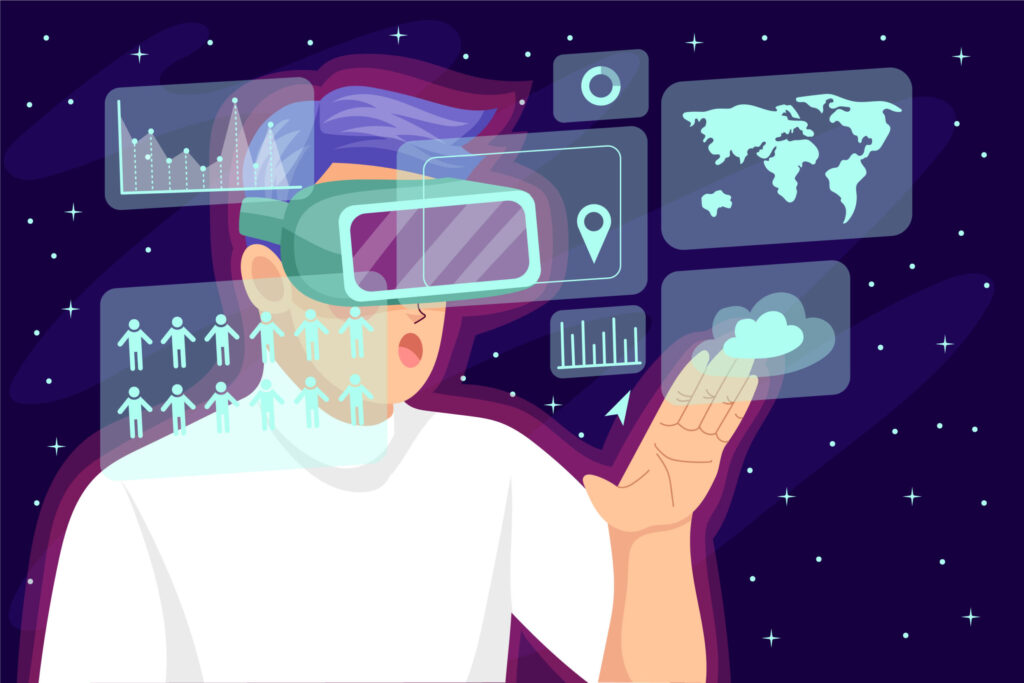
Augmented Reality Glasses
Glasses that show digital information floating in your world without blocking real life.
Turn your head and see restaurant reviews above storefronts.
Translate signs instantly.
Directions hovering like magic arrows.
Would you stop checking your phone every minute? Probably.
Google tried early with Glass. It failed because the world wasn’t ready. Now, it might be.
Apple Vision Pro is the warm-up. Smaller versions are coming.
Smart Contact Lenses
Contacts that project visuals directly into your eye. No hardware on your face.It sounds like science fiction. And honestly, I’m not sure how I feel about blinking ads.But the research exists. Quietly advancing.If this becomes real, the smartphone isn’t just gone. It feels prehistoric.
Brain Interfaces
Okay. Deep breath.
Neural chips that let us interact with tech using thoughts. Typing without fingers. Making calls without touching anything. Accessibility miracles for people with paralysis.
Terrifying possibilities, too.
But companies like Neuralink are already testing this with real patients.
If thoughts become the new swipe? Everything changes.
Smart Homes That Replace Screens
Tech everywhere instead of tech in a pocket:
- Hologram calls in your kitchen
- AI assistants that just answer you from the air
- Surfaces turning into screens only when needed
Your environment becomes the device.Phones become optional.
Why Should Regular People Care?
Because phones run our lives, they manage banking, photos, love lives, friendships, career management, all of it. If the primary tool changes, daily life changes.
And, I mean, who doesn’t get annoyed by:
- Notifications that never stop
- Eyes tired from glowing rectangles
- Camera obsession is ruining real moments
A world beyond smartphones could give us:
- More presence in the physical world
- Less compulsive checking
- Interactions that feel human again
There is something refreshing about that idea.Even if it’s scary.
Tech Giants Have One Goal: Make Tech Invisible
The best technology feels like it disappears.
Right now, phones are a barrier. We stare at information instead of living in it.
Companies want tech that:
- Works without disrupting your flow
- Doesn’t require hands
- Understands context automatically
In other words, technology that adapts to you, not the other way around.
We’ve outgrown the touchscreen era in some ways. We just don’t know what to hold instead.
Or if we should hold anything at all.
The Challenges Almost No One Talks About
This isn’t all excitement. There are real obstacles:
1. Privacy
If glasses see everything you see, who else sees it?
2. Mental Boundaries
If tech plugs into your brain, where does “you” end?
3. Accessibility and inequality
Will advanced tech widen the gap between people?
These questions matter. And honestly, I worry that we run too fast and think later.
Progress is messy like that.But we’re running anyway.
Will Phones Actually Disappear?
Not overnight.
People still cling to CDs, magazines, and that one drawer filled with old chargers. We don’t drop habits just because a company says the future is here.
Smartphones will stick around as backup systems at first:
- Like how laptops didn’t kill desktop computers
- Or how streaming didn’t erase theaters
But slowly, subtly, the phone loses importance.It becomes the dusty iPod of tomorrow.
The Psychology of Letting Go
We trust phones. They are:
- Our screens
- Our memories
- Our identity access point
Replacing that requires trust in something new.Trust takes time.It also takes excitement. And the tech world is good at excitement.
Every major brand is preparing us emotionally:
- Sleek visions of AR lifestyles
- Concepts that make phones look ancient
- Stories where technology gets personal again
They’re selling a dream where digital life feels closer and softer, not harsh and isolating.
We want that dream.
We just don’t want to lose control.
When Tech Giants Dream Bigger
Companies are competing in silence. They know whoever wins this race defines the next decade.
This push is exactly why tech giants envision future beyond smartphones as more than a marketing line. It’s a mission.
If they pull it off?
Screens fade.Interfaces melt into the real world.Tech becomes something you sense rather than hold.Maybe that’s the point.
We have tried fitting the world into a phone. Now maybe the world expands again.
Final Thoughts
One day, we might talk about smartphones the way we talk about flip phones. Cute. Nostalgic. Funny that we once thought they were everything.
Phones were a start, not the destination.
Yes, change feels weird. And yes, part of me wonders if this future is too much.
But the idea that technology could make life feel more natural?
That’s worth exploring.The future won’t be in your pocket anymore.It’ll be everywhere you are.
FAQs
1. Why are companies trying to move beyond smartphones?
Because the market is saturated, there is huge potential in more natural and immersive technology that blends into everyday life.
2. Will smartphones fully disappear?
Not anytime soon, but they may become less central as augmented or ambient technologies evolve.
3. What technology could replace phones first?
AR glasses show the strongest commercial momentum, with AI assistants and spatial computing right behind.
4. Does a world without phones mean more privacy issues?
Possibly. Devices that see and hear constantly raise major concerns about surveillance and data control.
5. How soon could we see a big shift?
The next five to ten years will likely bring visible changes, especially as companies refine wearable and spatial technologies.