
Why Tool Stability Has a Bigger Impact on Machining Than Most Realize
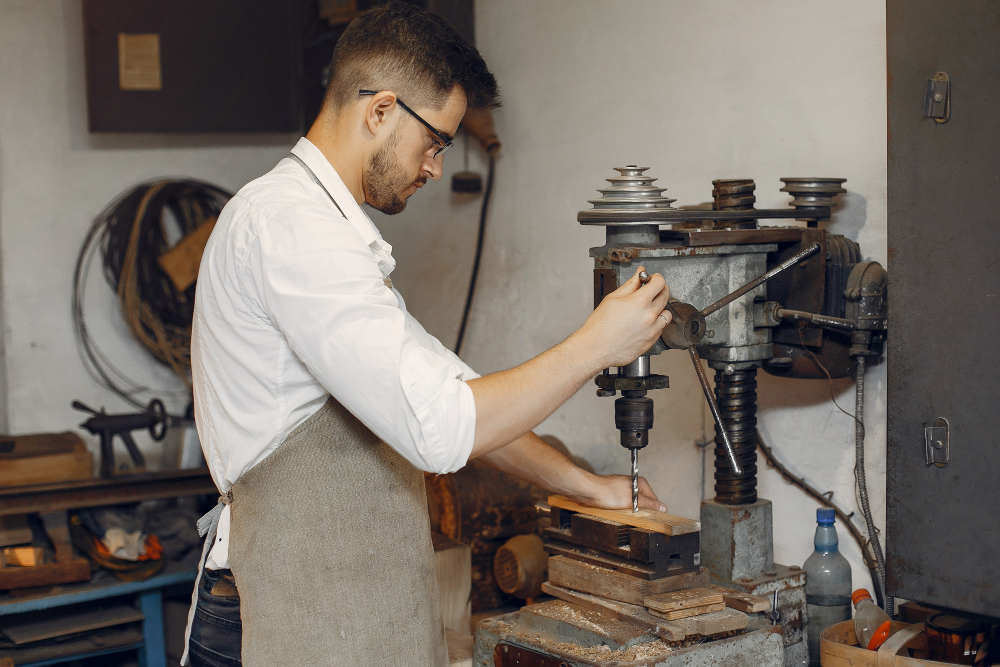
In modern machining, precision depends on much more than machine horsepower or cutting speed alone. One of the most overlooked factors affecting machining quality is tool stability. Even highly advanced CNC machines can struggle to maintain accuracy if tooling and workholding systems are not properly stabilized throughout the machining process.
Many operators focus heavily on feeds, speeds, and programming while underestimating how much movement or vibration can affect final results. Small amounts of instability may seem minor initially, but they can quickly influence dimensional accuracy, surface finish quality, tool life, and overall machining consistency.
Stable setups create the foundation for reliable machining. Without proper rigidity, cutting tools are forced to compensate for movement, chatter, and inconsistent material positioning. Over time, this reduces efficiency and increases the likelihood of part variation, premature tool wear, and unnecessary machine downtime.
As machining tolerances continue becoming tighter across industries such as aerospace, automotive, and medical manufacturing, stability has become increasingly important. Shops that prioritize rigid setups and quality tooling often experience better repeatability, improved finishes, and more efficient production overall.
Modern machining environments demand consistency, especially during long production runs where even small setup variations can compound into larger quality control issues. Stable workholding and tooling systems help reduce these risks while supporting more predictable machining performance.
Stable Workholding Improves Machining Accuracy
One of the biggest contributors to machining stability is proper workholding. If material shifts or vibrates during cutting operations, even slightly, dimensional accuracy can quickly suffer. Secure workholding helps operators maintain tighter tolerances while reducing inconsistency between parts.
Many machinists rely on equipment such as a self centring vice to improve setup repeatability and alignment accuracy. Self-centering vises help distribute clamping pressure evenly while maintaining more consistent positioning during machining operations.
Repeatable positioning becomes especially important during high-volume production where identical parts must maintain the same tolerances across multiple setups. Stable workholding systems reduce the need for constant adjustments and help operators maintain more reliable production quality.
Another major advantage of stable workholding is vibration reduction. Excessive vibration can negatively affect surface finishes, dimensional accuracy, and cutting tool longevity. Rigid setups minimize chatter and allow cutting tools to perform more efficiently throughout machining operations.
Workholding stability also improves setup efficiency. Reliable fixtures and vises help reduce setup variation between jobs while improving operator confidence during production. Faster, more repeatable setups contribute to better workflow efficiency without sacrificing accuracy.
As machining projects become more complex, stable setups become even more critical. Multi-axis operations, tight tolerances, and harder materials all place greater demands on workholding systems. Any movement during cutting can create measurable dimensional inconsistencies that affect final part quality.
Clean setup practices also play a major role in stability. Chips, dirt, or debris trapped beneath material or fixtures can slightly alter alignment and negatively affect machining accuracy. Experienced machinists understand that precision often depends on small setup details many beginners overlook.
Stable workholding also helps improve cutting consistency. When material remains properly secured, cutting forces remain more predictable, allowing tooling to maintain cleaner cuts and better surface finishes throughout the machining process.
Ultimately, machining precision begins with setup stability. Even the most advanced CNC equipment cannot consistently produce accurate parts if the material itself is not properly supported and secured during machining operations.
How Better Tool Stability Improves Cutting Accuracy
Tool stability plays a direct role in machining performance because cutting tools rely on rigidity to maintain accurate cutting paths. Any flex, vibration, or instability during machining can negatively affect dimensional precision and overall cut quality.
High-quality mill tooling performs best when paired with stable setups that minimize movement during cutting operations. Rigid tooling conditions allow cutters to maintain more consistent engagement with material, producing smoother finishes and more accurate dimensions.
One major benefit of improved tool stability is reduced chatter. Chatter occurs when vibrations develop between the cutting tool and material, often creating poor surface finishes and accelerated tool wear. Stable tooling setups help minimize these vibrations and create cleaner machining conditions.
Tool life also improves significantly under stable machining conditions. Excessive vibration places additional stress on cutting edges, causing tools to dull or chip more quickly. Reducing instability helps tooling maintain sharpness longer, improving efficiency and lowering tooling costs over time.
Cutting accuracy becomes especially important when working with tight tolerances or difficult materials. Small amounts of deflection can create measurable dimensional errors, particularly during finishing operations where precision is critical.
Rigidity matters heavily in turning operations as well. Reliable lathe tooling helps maintain consistent cutting pressure and accurate material removal throughout turning applications. Stable tooling conditions improve repeatability while reducing unnecessary variation between parts.
Another major advantage of stability is improved spindle performance. Machines generally operate more efficiently when cutting loads remain consistent and balanced. Excessive vibration can place unnecessary strain on machine components and reduce overall machining efficiency.
Operators also gain more confidence when tooling setups remain stable and predictable. Reliable machining conditions make it easier to maintain repeatable results while reducing the need for constant manual adjustments throughout production.
Stable tooling setups also support faster machining speeds in many applications. When operators trust the rigidity of their setups, they can often push cutting parameters more confidently without sacrificing part quality or tool life.
As machining tolerances continue tightening across modern manufacturing industries, stability will remain one of the most important factors influencing overall production quality and efficiency.
Conclusion
Tool stability has a much larger impact on machining performance than many operators initially realize. Stable workholding and rigid tooling setups directly influence accuracy, repeatability, surface finish quality, and overall machining efficiency.
Reliable workholding systems help maintain secure positioning while reducing vibration and setup variation throughout machining operations. At the same time, stable cutting tools improve consistency, reduce chatter, and extend tool life during demanding applications.
Modern machining environments require increasingly tight tolerances and consistent production quality. Shops that prioritize stability often experience better machining performance, fewer errors, and more efficient workflows across both small and large production runs.
As CNC machining continues evolving, stable setups and rigid tooling systems will remain essential foundations for achieving precision and long-term manufacturing success.